.webp)
PeeGameH5@
News
Discover Our Blog
Our team made a great research and handpicked the best Android and iOS apps so that you could enjoy your experience with any of them.
News

Hello Neighbor AI Adaptation System How the Neighbor Learns From Player Behavior Throughout the Game
Hello Neighbor uses adaptive AI to discourage repetitive strategies, creating evolving stealth gameplay through environmental changes, sound awareness, and psychological tension.
July 01, 2026
News

Bongo Cat Idle Progression System Why Passive Play Became the Most Addictive Feature of the Game
July 01, 2026
News

Stardew Valley Endgame Farming Economy The Hidden Challenge of Turning a Small Farm Into a Sustainable Empire
July 01, 2026
News
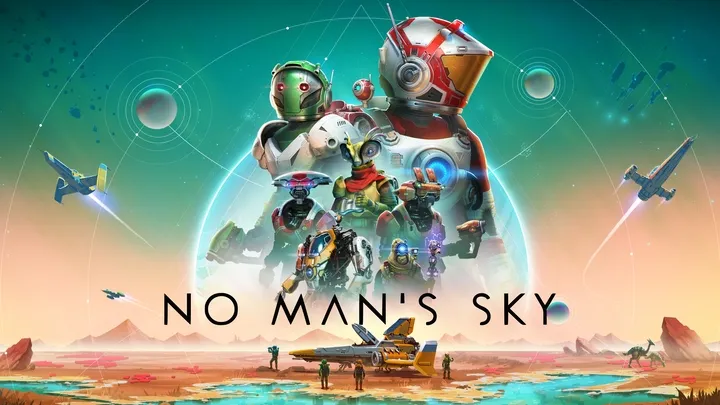
No Man's Sky Introduces Galaxy-Wide War in Free "The Swarm" Update
June 30, 2026
News

The Price of Offensive Momentum: How Positive Bonus Reshapes Neutral Game in GUILTY GEAR -STRIVE-
June 30, 2026
News

GTA V Online Money Guide: The Fastest Legitimate Path from Your First $100,000 to Owning Every Major Business
June 30, 2026
News

How Hello Neighbor’s Artificial Intelligence Became Its Biggest Problem: The Rise and Fall of the Adaptive Neighbor
June 30, 2026
News

The Architectural Evolution of Kaia Island: A Sociological and Economic Analysis of the Housing Market in Play Together
The virtual world of Play Together is often perceived at a surface level as a casual, minigame-oriented social sandbox designed for mobile platforms. However, beneath its vibrant, low-poly aesthetics and seemingly lighthearted gameplay loop lies a complex, evolving socio-economic system. The most profound manifestation of this system is the game’s virtual housing market. Over the years, the real estate landscape on Kaia Island has transformed from a rudimentary feature providing basic player identity into a sophisticated economic engine that drives player retention, social stratification, and digital consumerism. This article provides a deep, chronological, and analytical exploration of how domestic spaces in Play Together have evolved from the great equalizer of the "Cardboard Box" to the hyper-commercialized, user-generated metaverses of the modern era, reflecting broader trends in digital sociology and virtual economies.
June 30, 2026
News

The Mathematical Tragedy of Mass Inertia: A Deep Mechanics Analysis of Slither.io
June 30, 2026
News

The Base-Building Griefing Problem: How Arma Reforger's Open Construction System Undermines Persistent Server Communities
June 30, 2026
News

The Mathematical Tragedy of Mass Inertia: A Deep Mechanics Analysis of Slither.io
June 28, 2026
News

The Architectural Evolution of Kaia Island: A Sociological and Economic Analysis of the Housing Market in Play Together
June 28, 2026
PeeGameH5@
Non-Affiliation: This website is not affiliated, associated, authorized, endorsed by, or in any way officially connected with any third-party brands, companies, or their subsidiaries and affiliates mentioned herein. All product names, logos, and brands are the sole property of their respective owners. The use of any trade name or trademark is for identification and reference purposes only and does not imply any association with the trademark holder of their product brand. The content provided on this website is for informational purposes only.
© 2026 peegameh5.com | Operated by BRAVEBITS GLOBAL LTD
Morgan & Morgan Building, Pasea Estate, Road Town, Tortola, British Virgin Island