The Geography of Madness: Mechanical Symbiosis of Grid Inventory and Sanity in Dredge
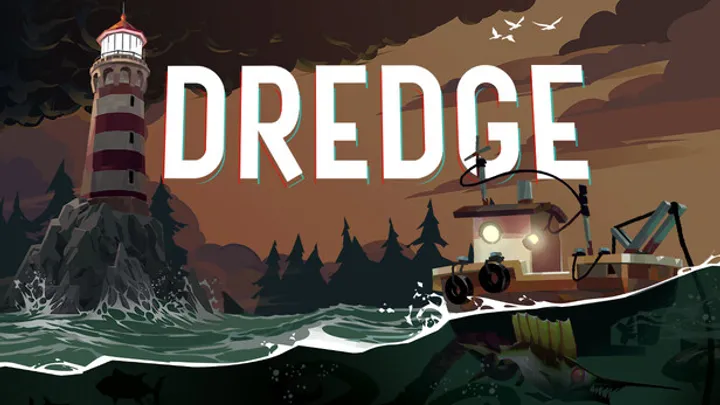
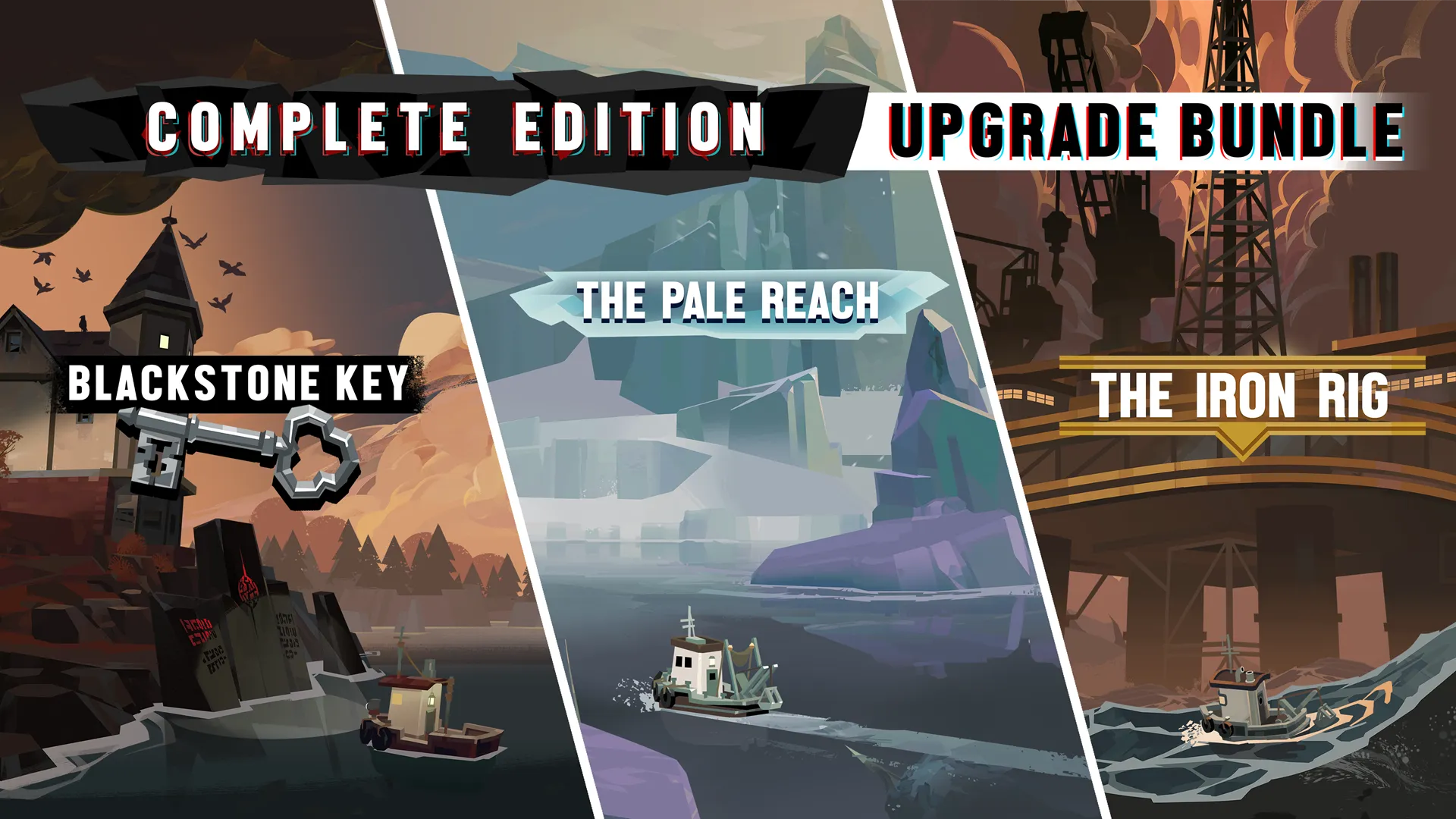
The cosmic horror fishing simulator Dredge, developed by Black Salt Games, initially presents itself as a cozy, loop-driven indie title. The player is a nameless fisherman steering a fragile vessel through an archipelago known as The Marrows, hauling in cod, mackerel, and grey mullet. However, as the daylight recedes, the game seamlessly drops its pastoral mask to reveal an oppressive, existential dread. While many survival horror titles rely heavily on curated jump scares or scripted narrative encounters to induce terror, Dredge achieves psychological tension through its systems.
The core gameplay loop centers around a specific, deeply integrated issue: the Mechanical Symbiosis of Spatial Inventory and Psychological Panic. In Dredge, your cargo hold is not an abstract spreadsheet of carry-weights; it is a rigid, geometric grid that functions simultaneously as your resource pool, your equipment manifest, and your health bar. When darkness falls, the escalating "Panic" mechanic distorts reality, transforming the inventory grid from a simple organizational tool into a highly stressed combat zone of space allocation. The true horror of Dredge lies within this structural entrapment—the realization that your drive for economic efficiency is exactly what leaves you vulnerable to the encroaching madness of the deep.
The Birth of Triage: The Day One Hold
When you take the helm of your modest vessel at Great Marrow, the world feels orderly. The initial inventory is a modest grid, with fixed slots reserved for essential machinery like basic engines and simple fishing rods. The spatial layout requires immediate decision-making: items cannot simply be acquired; they must be fitted, rotated, and nested cleanly alongside one another. At this stage, the player experiences a pure optimization puzzle, turning flatfish and long fins like puzzle blocks to maximize daily revenue.
The specific conflict emerges from the realization that empty space represents wasted economic potential, while full space represents complete vulnerability. During the peaceful daytime hours, this dynamic is manageable. You balance the geometry of your catch with the path back to the dock. The design forces you to internalize the shape of your ship, making you feel entirely in control of your physical domain before systematically dismantling that safety.
The Spatial Matrix of the Cargo Hold
- Fixed Nodes: Structural blocks reserved strictly for engines, rods, and lights.
- Fluid Space: Open grid areas where fish, trinkets, lumber, and scrap metal compete for placement.
- The Shape Variant: Fish are designed with irregular, non-symmetrical tetris-like shapes, actively preventing neat stacking.
The Twilight Shift: Time as a Consumable Resource
Time in Dredge functions as a mechanical lever pulled by player action. When your boat is stationary, the clock stands still; the moment your engine roars or your winch drops, time speeds forward. This creates an intense psychological pressure during the evening transition. As the sun dips below the horizon around 18:00, the ambient lighting shifts to a bruised purple, and the physical constraints of your inventory begin to carry temporal consequences.
The issue at dusk is the temptation of greed versus the terror of logistics. A high-value catch found right as night falls requires precious in-game minutes to pull aboard and organize within the grid. If your inventory is already messy, you must spend real time rotating items while the clock ticks down into the danger zone. The game forces you to weigh the physical surface area of a fish against the rapidly dwindling minutes of safety, turning a basic sorting mechanic into a high-stakes race against the sunset.
The Third Eye Opens: The Anatomy of Panic
Once darkness is total, the "Panic" mechanic activates, symbolized by a manic, darting eye at the top of your user interface. Panic behaves like a slow-burning environmental poison that escalates the longer you remain exposed to the open sea without sleep or bright illumination. As the eye shifts from a calm blue to a frantic, blood-shot red, the world outside your boat begins to warp based entirely on your internal mental state.
The Escalation Tiers of Madness
- Tier 1 (Blue/Green Eye): Mild visual distortions; the heavy fog thickens, slightly reducing the effectiveness of your forward-facing lights.
- Tier 2 (Brown Eye): Hallucinations manifest; phantom rock formations rapidly materialize directly in your navigation path.
- Tier 3 (Red Eye): Active environmental hostility; aggressive avians strike from above, and phantom sharks stalk your wake.
The brilliance of this design is that Panic does not alter your boat’s statistics directly; it changes the environment around you, forcing sudden, erratic movements. To avoid a phantom rock that appeared out of thin air, you must turn hard, increasing the likelihood of colliding with actual, permanent terrain.
When the Grid Bleeds: Damage as Space Allocation
The true genius of Dredge’s horror loop occurs when environmental hazards make physical contact with your hull. When you hit a rock or are rammed by a deep-sea monstrosity, you do not lose points from a detached health bar. Instead, the game selects random coordinates on your inventory grid and marks them with a heavy, unmovable "Hull Damage" icon
his interaction represents the structural convergence of the game's twin mechanics. If the damage icon lands on a cell occupied by an item, that item is instantly destroyed or rendered unusable. If a leviathan bites your stern, it might obliterate the exact grid slots holding your primary engine. Suddenly, your speed drops to a crawl, your lighting cuts out, and you are stranded in the pitch black with a surging Panic meter. The physical degradation of your ship is perfectly mirrored by the sudden, claustrophobic loss of your inventory capacity.
The Miasma Hunt: Parasitic Inventory Overcrowding
As your Panic peaks, the interaction with the deep-sea fauna becomes deeply parasitic. High-panic states cause the mutation of standard fish into grotesque, bioluminescent variants known as "Aberrations." While these deformed creatures sell for significantly higher prices at the fishmonger, they carry a distinct psychological and physical tax.
The Cost of the Anomalous
Many high-tier aberrations possess jagged, sprawling grid footprints that are incredibly difficult to slot into a damaged hold. Furthermore, staying out late to hunt these profitable monstrosities ensures your Panic remains maximized, spawning flocks of hallucinatory crows that circle your vessel. These crows do not attack your hull; instead, they dive-bomb your open cargo hold, physically eating the high-value fish directly out of your inventory. The system creates a beautiful risk-reward paradox: the very items you risk your sanity to catch become targets for the madness generated by your pursuit.
The Weight of the Relics: Narrative Intrusion into Space
The main narrative progression of Dredge involves recovering a series of ancient, cursed relics for a mysterious Collector residing on the isolated Isle of Blacks. These items—a music box, a pocket watch, an ornate key—are heavily tied to the cosmic entity slumbering beneath the waves. Mechanically, these items cannot be stored in a magical quest log; they are physical entities that must be physically transported within your grid.
The issue here is the forced compromise of safety. The relics are intentionally shaped awkwardly, taking up valuable real estate near the center of your hold. By carrying a piece of the overarching mystery, you are forced to permanently sacrifice either processing speed (by removing an engine) or self-defense (by leaving less room for backup lights). The game brilliantly forces the narrative progression to feel like a literal, physical burden that compromises your seaworthiness and heightens your vulnerability to panic.
The Illusion of Upgrades: The Deceptive Expansion Loop
To combat the tightening vice of the ocean, the player uses gathered lumber, cloth, and scrap metal to buy hull upgrades at the shipyard. You expand your grid from a tiny compartment to a massive, reinforced hull capable of mounting heavy tungsten floodlights and multi-tiered hydraulic winches. This progression loop offers a classic power fantasy, leading the player to believe they can finally tame the night.
However, Dredge systematically subverts this empowerment. Larger hulls require larger engines and more expansive fishing rigs to operate efficiently, meaning the baseline space occupied by mandatory equipment increases proportionally with your upgrades. More importantly, entering the late-game zones like the volcanic ruins of Devil's Spine or the suffocating roots of the Twisted Strand introduces hyper-aggressive predators that inflict multi-slot status damage. The larger grid does not make you safe; it simply increases the surface area available for catastrophic structural failure.
The Lighthouse Sanctuary: The Psychology of the Safe Harbor
Every morning, if you survive the terrors of the deep, you crawl back to a settlement to sell your catch, repair your hull, and sleep. The transition from the open ocean to the dock is an immediate mechanical sigh of relief. Docking instantly freezes the Panic meter, and paying the shipwright clears the obstructive damage icons from your grid, restoring your spatial freedom.
The Contrast of the Harbor Loop
- The Purge: Selling your contaminated, mutated catch to a mundane merchant, converting psychological trauma into currency.
- The Restoration: Sleeping in the safety of the port to reset the Panic eye back to a calm, dead slate.
- The Preparation: Buying more compact, highly efficient gear to prepare for the next tactical foray into the dark.
This stark contrast between the chaos of the night and the absolute safety of the pier creates a powerful psychological dependency on the coastline, reinforcing the insignificance of your tiny vessel against the open water.
The Open Ocean Singularity: The Terror of the Edge
The final mechanical test of Dredge occurs when you leave the safety of the archipelago entirely to cross the deep, featureless stretches of the open ocean. In these deep waters, there are no shallow reefs to block monsters, no close docks to run to, and the ambient depth causes Panic to rise at an accelerated rate.
When your Panic reaches its absolute maximum in the deep blue, the game drops all environmental subtlety. Massive tentacles break the surface, and phantom currents push your ship off course. If you take damage out here, the loss of inventory space feels like a slow, claustrophobic suffocation. You are forced to manually throw valuable equipment and rare fish overboard into the abyss just to free up the grid space required to keep your remaining engines online. It is a pure manifestation of mechanical triage: sacrificing your progress simply to maintain the physical capacity to flee.
Conclusion: The Absolute Balance of the Eldritch Catch
Dredge achieves its status as a premier Lovecraftian horror game not by rewriting the rules of cosmic terror, but by binding them directly to the mundane systems of inventory management. The central issue—the elegant, terrifying loop where your cargo capacity serves as your health, your identity, and your target profile for madness—ensures that every voyage is filled with genuine tension. It turns the simple act of catching a fish into a profound negotiation with your own survival instincts.
By making the player’s primary tool of progress (the inventory grid) the exact mechanism through which the world inflicts its psychological horror, Black Salt Games ensures that fear is never an abstract narrative element. It is something you actively sort, rotate, and carry with you across the water. In the dark, murky world of The Marrows, you are never truly limited by the monsters lurking beneath the waves; you are limited by the fragile, wooden boundaries of your own ship and the fracturing space within your mind.