.webp)








Dordogne is a gentle and emotionally rich narrative adventure about reconnecting with childhood memories and rediscovering meaningful pieces of life that were once forgotten. Through watercolor painted environments and reflective storytelling, the game invites players into the quiet world of Mimi, who returns to her late grandmother's home to uncover the past she drifted away from.
This guide will show you how to play Dordogne in the most fulfilling way. It covers exploration techniques, journaling, puzzle solving, emotional interpretation, and understanding the transitions between childhood and adulthood. The goal is to help you appreciate every detail and immerse yourself deeply in the nostalgic world that Dordogne creates.
Throughout this article, you will learn how to journey through the landscapes that shaped Mimi, collect memories that brighten her story, and reflect on themes of family, identity, and the passage of time. Each section is arranged to follow a natural timeline, helping you experience Dordogne with intention and clarity.
Understanding the World of Dordogne
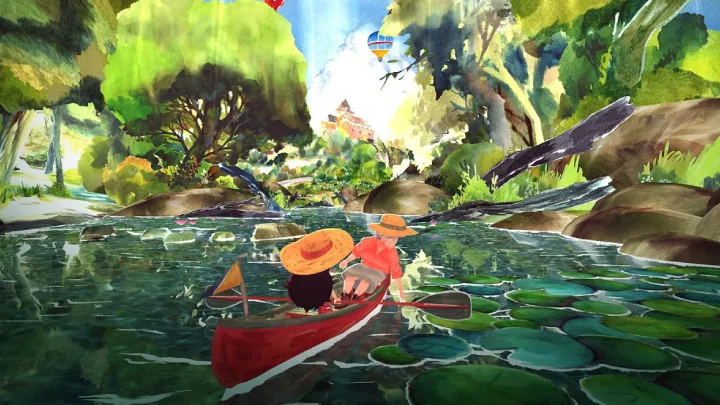
To play Dordogne effectively, you must first understand the pace and tone of its world. The game focuses on slow and thoughtful exploration, rewarding players who observe carefully rather than rushing through scenes. Everything from the painted backgrounds to the placement of objects carries meaning, inviting you to interpret emotions through visuals and memories.
Dordogne shifts between two time periods: Mimi’s present day and her childhood. Learning how to navigate these moments is essential to understanding the full story. Present day sequences are reflective, grounded in introspection, while childhood scenes are lively, playful, and full of curiosity. Recognizing these contrasts helps you connect emotionally with Mimi at different stages of her life.
As you progress, you will realize that Dordogne is not built around traditional gameplay challenges but around gentle discovery. Every action serves storytelling, and understanding the world requires slowing down and letting the environment speak for itself.
How to Explore Environments Effectively
Exploration is the core mechanic in Dordogne. To make the most of it, approach each environment with patience. Move slowly, look carefully at backgrounds, and interact with anything that catches your attention. The game uses subtle cues like small animations, camera shifts, or glowing outlines to indicate interactable items.
Do not be afraid to revisit areas or reexamine objects multiple times. The game often reveals meaning through repetition, or through the act of noticing something you previously walked past. Even simple objects like postcards, tools, or toys hold emotional weight and help reconstruct Mimi’s memories.
Exploration also shapes your journal. By thoroughly examining environments, you gather more stickers, words, sounds, and photos, allowing you to create richer diary pages. To fully understand the narrative, commit to exploring every corner and listening to every soundscape.
How to Document Your Journey Through Journaling
The journal mechanic is one of Dordogne’s most unique features. Throughout your adventure, you collect memory fragments and use them to build personalized diary pages. This journal not only documents your journey but also expresses Mimi’s emotional connection to her past.
When assembling a journal page, consider the emotional theme of the chapter. Choose photos that best capture meaningful moments. Place stickers in a way that reflects your interpretation of Mimi’s experiences. Arrange collected words to create thoughtful captions or poetic reflections. Your choices influence the tone and story you carry with you.
Journaling encourages creativity, and there is no right or wrong way to design a page. Think of it as an intimate expression of memory. The more carefully you craft each page, the deeper your emotional connection to Mimi’s story will become.
How to Solve Light Puzzles in Dordogne
Dordogne includes simple interactive puzzles designed to enhance immersion rather than challenge the player. These puzzles often involve observing patterns, organizing small objects, remembering sequences, or opening locked containers using clues from the environment.
If you feel stuck, avoid forcing a solution. Instead, step away and reassess your surroundings. Dordogne’s puzzles are intentionally intuitive and usually rely on contextual clues. A sound cue, color contrast, or recurring symbol often indicates the right direction.
Approach puzzles with calmness, and treat them as small moments of discovery rather than obstacles. Solving them not only unlocks progress but also reveals deeper emotional details that enrich Mimi’s story.
How to Connect With Characters Emotionally
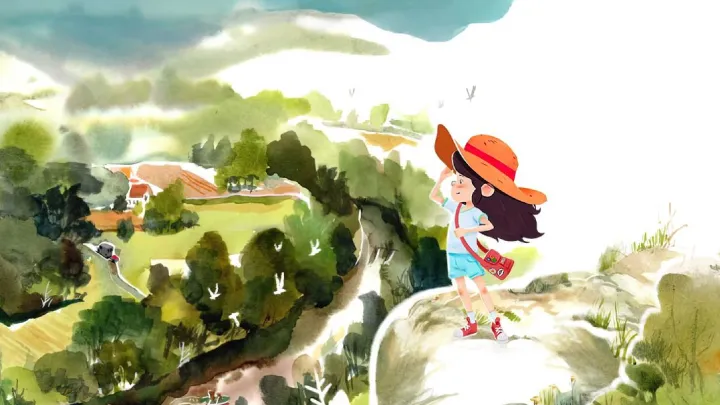
Character interaction in Dordogne is soft and meaningful. Although dialogues are simple, they reveal powerful emotional connections. Mimi's grandmother is the heart of the story, and her presence is felt in every room, letter, and childhood memory.
To connect deeply with characters, pay close attention to their gestures, tone, and facial expressions. These subtle cues communicate emotional nuances that words alone may not convey. The game’s gentle pacing allows you to linger on interactions, helping you understand the unspoken aspects of each relationship.
Mimis childhood encounters with her grandmother, neighbors, and local figures help you understand how her identity was shaped. The emotional authenticity of each interaction is what makes Dordogne memorable, and connecting with characters requires empathy and mindful attention.
How to Follow the Timeline of Memories
The narrative structure of Dordogne is built on transitions between past and present. Understanding these transitions helps you follow the emotional timeline of Mimi’s life. Present day Mimi reflects on what she lost, while child Mimi experiences the joy and wonder of discovering the world around her.
Transitions are usually triggered by sensory memories like sounds, smells, and objects. For example, opening a box may lead you into a childhood scene, or hearing a familiar sound might transport you back in time. Paying attention to these transitions helps you understand the narrative flow.
As you learn to navigate these time shifts, you gain insight into how memories form, fade, and resurface. The timeline becomes a story of growth and rediscovery, connecting Mimi’s past experiences to her present identity.
How to Appreciate the Art Style and Sound Design
One of Dordogne’s defining features is its watercolor art style. Every frame looks like a hand painted illustration, creating a warm and nostalgic atmosphere. To appreciate this fully, take time during exploration to observe details like brushstroke textures, color blending, and lighting. These choices contribute to the emotional tone of each scene.
Sound plays an equally important role. Natural ambient noises such as gentle breezes, chirping insects, and flowing water ground you in the environment. Background music appears during emotionally significant scenes, guiding your feelings without overwhelming them.
By paying attention to both art and sound, you deepen your engagement with the world. Dordogne is designed to be experienced slowly, and absorbing its visual and auditory details is essential to appreciating its emotional impact.
How to Engage With Childhood Activities
Childhood sections of the game allow you to relive Mimi’s youthful joy and curiosity. Activities like splashing in water, exploring forests, or observing animals may seem simple, but they reflect the innocence and wonder of childhood.
These sequences often contain hidden memory pieces and collectibles. By exploring thoroughly and interacting with everything, you uncover more journal items and deepen your understanding of Mimi’s early life. Childhood activities also contrast with Mimi’s adult perspective, making the emotional story more powerful.
Engage with these moments freely and playfully. They remind you of universal childhood feelings and help you connect emotionally with Mimi’s character.
How to Understand the Emotional Themes of Dordogne
Dordogne explores themes of family, personal identity, loss, and the enduring power of memory. These themes appear through symbolic objects, conversations, journal pages, and the structure of the narrative itself.
To understand these themes clearly, reflect on the emotional meaning behind small details. Why did Mimi forget certain memories? What did her grandmother hope she would rediscover? Why do certain objects trigger strong emotional responses?
As you progress, you will recognize how childhood experiences shape who we become as adults. The emotional weight of Dordogne lies not in dramatic events, but in small and intimate moments. Interpreting these moments helps you appreciate the depth of the story and the warmth of its message.
Conclusion
Dordogne is a tender journey through memory and emotion. By exploring carefully, paying attention to detail, crafting journal entries thoughtfully, and reflecting on the themes of childhood and personal growth, you can experience the game in its most meaningful form.
Every hand painted scene, sound cue, and childhood moment contributes to Mimi’s story. When you engage deeply with the world, Dordogne becomes a heartfelt reminder of how powerful memories can be and how they shape the person we eventually become.
Approach it slowly, listen to its gentle rhythm, and allow the game to guide you through moments of joy, nostalgia, and quiet reflection.
Summary
A complete guide to exploring Dordogne through memories journaling puzzles and emotional storytelling in a calm and reflective adventure.