




Introduction
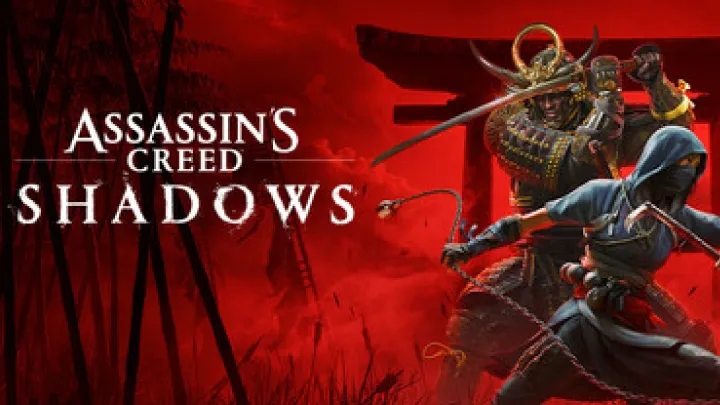
Assassin’s Creed: Shadows of Quidditch combines the rich lore of the Assassin's Creed franchise with the whimsical world of wizardry and magical sports. Between stealthy assassinations and the chaotic world of Quidditch, players experience a blend of history and fantasy unique to this title. However, one prominent issue arises from the integration of Quidditch into the overarching narrative: the struggle to balance the intricate lore of the Assassin's Creed universe with the lighthearted and energetic atmosphere of Quidditch. This article delves deep into this specific issue, exploring how the developers tackled narrative coherence, gameplay mechanics, and character development, and what it means for player immersion and satisfaction.
The Duality of Worlds: History Meets Fantasy
The collision of two rich universes—Assassin’s Creed and Quidditch—creates an interesting tension and opportunity for narrative exploration.
The Essence of Assassin’s Creed Lore
- Historical Context: Traditionally rooted in historical events, Assassin’s Creed thrives on weaving authentic historical figures and events into gameplay. Players often find themselves in key moments of history, shaping narratives around the eternal struggle of Assassins versus Templars.
- Complexity of Narratives: The franchise often ventures into deep philosophical questions about free will, destiny, and morality, providing a gravitas that engages players on multiple levels.
The Lighthearted Nature of Quidditch
- Whimsical Sporting Fever: In contrast, Quidditch represents joy, teamwork, and competition in the magical community. It is inherently fun, filled with excitement and spirited rivalry.
- Character and Team Dynamics: The sport allows for character interactions that promote camaraderie and loyalty, often steering narrative focus away from darker themes, which can clash with the overall tone inherent in Assassin's Creed.
The Challenge of Narrative Coherence
Combining these two distinct narratives presents a challenge: how to weave them together without losing the integrity of either.
Balancing Tone and Theme
- Emotional Dissonance: The juxtaposition of the dark, brooding narrative of the Assassins with the buoyant nature of Quidditch creates emotional dissonance. Players may feel torn between the heavy themes of personal sacrifice and the carefree spirit of flying through hoops on broomsticks.
- Narrative Flow: Maintaining narrative flow becomes complicated when switching between modes of stealth and exploration of deeper lore, and the exhilaration of Quidditch matches. This inconsistency could frustrate players who seek immersion in one coherent world.
Attempts at Synthesis
- Character Arcs: The development of original characters involved in both the Quidditch world and the Assassin’s Creed narrative can help bridge this divide. These characters serve as links that help players transition between the serious and the playful.
- Merging Narratives: Developers put effort into creating scenarios where Quidditch serves as a crucial plot element, such as using matches to gather intelligence or infiltrating rival teams for narrative purposes.
Gameplay Mechanics: Fluidity in Chaos
The gameplay mechanics must allow for seamless transitions between the stealth-oriented gameplay of Assassin’s Creed and the dynamic action of Quidditch.
Stealth vs. Speed
- Core Game Mechanics: The traditional stealth mechanics provided by Assassin’s Creed grant players diverse methods of engaging with the world. These methods emphasize patience and strategy, contrasting sharply with the fast-paced, chaotic nature of Quidditch.
- Integration of Gameplay Styles: Players must learn how to adapt their strategies in real-time, switching from cunning stealth to high-speed maneuvers as they cycle through Quidditch matches. This transition is crucial for maintaining player engagement.
Dynamic Quidditch Matches
- Interactive Gameplay: Quidditch matches introduce unique mechanics with flying controls, teamwork coordination, and strategy-based plays. Players must not only master their skills as flyers but also learn to work in tandem with their team.
- Challenges and Rewards: Achieving victory in Quidditch matches can yield not just in-game rewards, such as enhanced gear or lore scrolls, but also immersive narrative episodes that deepen character arcs and enhance the storyline.
Character Development: Navigating Dual Identities
The characters within Assassin’s Creed: Shadows of Quidditch must navigate their dual identities while ensuring player investment.
Protagonists with Depth
- Complex Backstories: The central characters often grapple with their dual identities as both Assassins and Quidditch players. This provides rich storytelling potential, as they must balance their obligations to the Assassin Brotherhood with their passion for the sport.
- Internal Conflicts: Players experience the struggles of the characters as they face not only external enemies but also internal dilemmas regarding loyalty and purpose, raising the stakes in both the narrative and gameplay.
Relationships and Team Dynamics
- Interpersonal Tie-Ins: Player choices involving character relationships influence the narrative arc. Bonds formed during Quidditch practice can affect character interactions during Assassin missions, creating a tapestry of interwoven narratives.
- Friendship vs. Duty: Storylines can explore themes of friendship and rivalry on the Quidditch pitch mirroring broader interpersonal conflicts within the Assassin Brotherhood, creating compelling and meaningful character development.
The Role of Quidditch in World-Building
Quidditch serves as a powerful tool for world-building, expanding the universe for players beyond traditional Assassin themes.
Expanding the Magical Universe
- Cultural Elements: Incorporating Quidditch allows players to experience and understand wizarding culture more fully. The traditions, rivalries, and team dynamics offer depth and richness to the magical world.
- Integration of Magical Elements: Unique spells and magical enhancements can be implemented during Quidditch to blend elements of both worlds, creating an engaging and immersive experience.
Fostering Community
- NPC Interactions: Supporting characters who offer insights into the world of Quidditch help frame it within the larger narrative context, forming a more interconnected universe.
- Collective Experience: As players engage in matches, the social aspect of Quidditch allows for a communal experience, cultivating an environment of teamwork and shared objectives that can extend into stealth missions.
Player Immersion and Engagement
Player immersion relies on how effectively the game weaves the Assassins' complex lore with the lighter aspects of Quidditch.
The Mechanics of Engagement
- In-Game Events: Introducing time-limited in-game Quidditch events or tournaments would foster a sense of urgency and community engagement, offering unique rewards tied to player cooperation.
- Expanding Lore Through Quidditch: Completing Quidditch matches could unlock deeper lore in the Assassin narrative, helping players see the significance of Quidditch beyond mere sport.
Player Feedback and Adaptation
- Community Engagement: Developers should continuously assess player feedback regarding the integration of Quidditch and adjust gameplay elements accordingly, ensuring a responsive gaming experience.
- Dynamic Storytelling: Emphasizing community interaction through in-game dialogue and events can foster player investment in the overarching narrative.
Critical Reception and Community Perspectives
Community feedback can illustrate the strengths and weaknesses of Assassin’s Creed: Shadows of Quidditch.
The Positive Aspects
- Unique Integration: Many players appreciate the innovative merging of two vastly different narratives, as it exemplifies creativity and a willingness to push boundaries. This provides a fresh take on both franchises.
- Memorable Characters: Characters who evolve through both experiences give depth to the storyline, resulting in engaging interactions that resonate emotionally (and often comically) with players.
The Critique of Execution
- Narrative Inconsistencies: Some players express frustration over narrative disconnects that arise from awkward transitions between the tension of Assassins' missions and the light-heartedness of Quidditch.
- Gameplay Limitations: Critics often note gameplay limitations during Quidditch matches, considering traditional mechanics clunky or unrefined compared to the nuanced stealth gameplay native to Assassin’s Creed.
Future Considerations for Expansion
As the game gains a player base, opportunities for expansion and future content arise naturally.
Potential DLC Concepts
- Quidditch Leagues: Developers could introduce dedicated Quidditch leagues, creating possible DLC that allows players to delve deeper into Quidditch lore, participate in tournaments, and explore narratives surrounding team dynamics.
- Expanded Character Arcs: Additional character development focused specifically on Quidditch-related personnel could enrich the story, allowing players to witness how their choices affect not only their immediate team but also the wider wizarding community.
Engaging with the Community
- Feedback Loops: Engaging players in discussions and soliciting feedback can lead to improvements that resonate with the community. Developers could streamline mechanics or narrative focus to improve player experience.
- Collaboration Events: Hosting real-time collaborative events that intertwine Quidditch matches with broader Assassin missions could enhance community engagement while deepening the narrative.
Conclusion: Navigating the Shadows in a Complex Universe
Assassin’s Creed: Shadows of Quidditch represents an ambitious cross-over that seeks to marry two beloved but distinctly different worlds. While the integration offers exciting gameplay and narrative opportunities, the challenge remains in striking a balance between the somber tones of the Assassin’s Creed universe and the lively, spirited nature of Quidditch.
As developers continue to navigate these complexities, leveraging player feedback and fostering community engagement will be essential. Ultimately, refining this interplay will determine how effectively Assassin’s Creed: Shadows of Quidditch resonates with players, allowing them to find their place in a unique narrative tapestry woven from history and whimsy.