.webp)
Slay the Spire 2 How to Play Guide for Beginners

Introduction to Slay the Spire 2
Developed by Mega Crit, Slay the Spire 2 is a roguelike deck-building game that combines strategic card battles, exploration, and resource management. The game challenges players to climb a dangerous tower filled with monsters, powerful bosses, mysterious events, and valuable rewards. It entered Early Access on March 5, 2026, and introduces new characters, cards, and cooperative multiplayer for up to four players.
The game may look simple at first, but every decision can affect your chances of survival. Choosing the right cards, managing your energy, and planning your route are all essential skills. This guide explains how to play Slay the Spire 2 and offers practical tips to help beginners improve their strategy.
1. Choose the Right Character
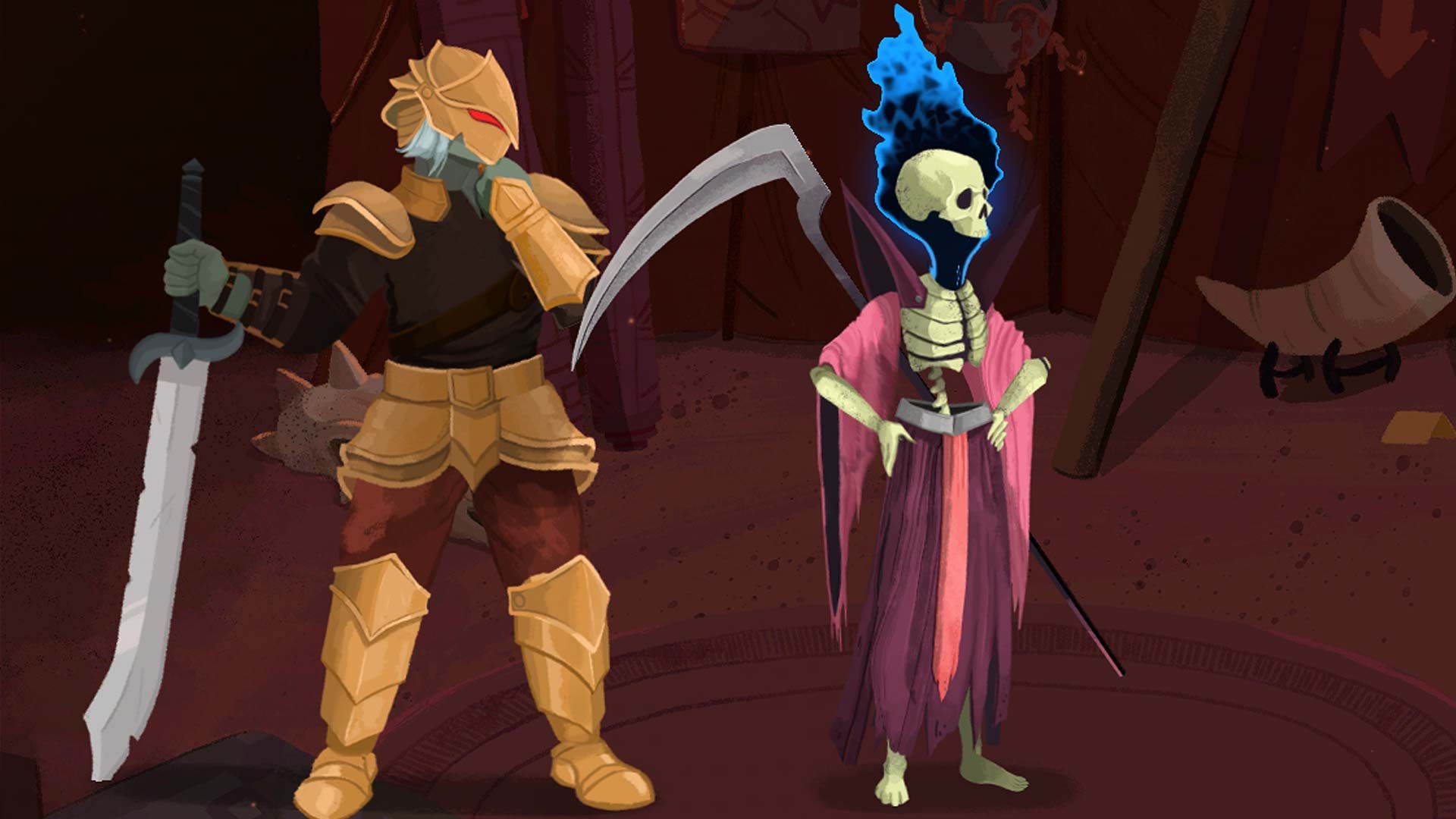
Your first important decision is choosing a character. Slay the Spire 2 features five playable characters, each with unique cards and combat strategies.
- Ironclad: A powerful fighter who focuses on strength, direct attacks, and surviving enemy damage.
- Silent: A quick and tactical character who uses poison, multiple attacks, and other effects to weaken enemies.
- Regent: A character who uses distinctive magical abilities and special resources to create powerful combinations.
- Necrobinder: A dark-themed character who uses death-related abilities and the companion Osty to support combat.
- Defect: A technical character who uses orbs and special effects to develop different combat strategies.
For beginners, Ironclad is a useful starting point because his straightforward combat style makes it easier to learn attacks, defense, and energy management. Once you understand the basic mechanics, try other characters to discover which playstyle suits you best.
2. Understand How Card Combat Works
Combat is the core of Slay the Spire 2. Battles are turn-based, meaning you can examine the available cards and decide what to do before ending your turn.
At the beginning of a standard turn, you generally draw five cards and receive three energy. Each card costs a certain amount of energy, so you must choose your actions carefully.
There are several main types of cards to understand:
- Attack cards: Deal damage to enemies and help you defeat them.
- Skill cards: Provide defense, draw additional cards, or create useful effects.
- Power cards: Give you ongoing benefits that can influence the rest of the battle.
- Special cards: Provide unique effects that can support particular strategies or combinations.
For example, if you have three energy, you might use an attack costing one energy, a defensive card costing one energy, and another attack costing one energy. However, the best move depends on how much damage the enemies intend to deal.
Beginner tip: Look at the enemy intent indicators before playing your cards. If an enemy is preparing a powerful attack, gaining enough Block to reduce incoming damage may be more important than dealing a little extra damage.
3. Build a Strong and Balanced Deck
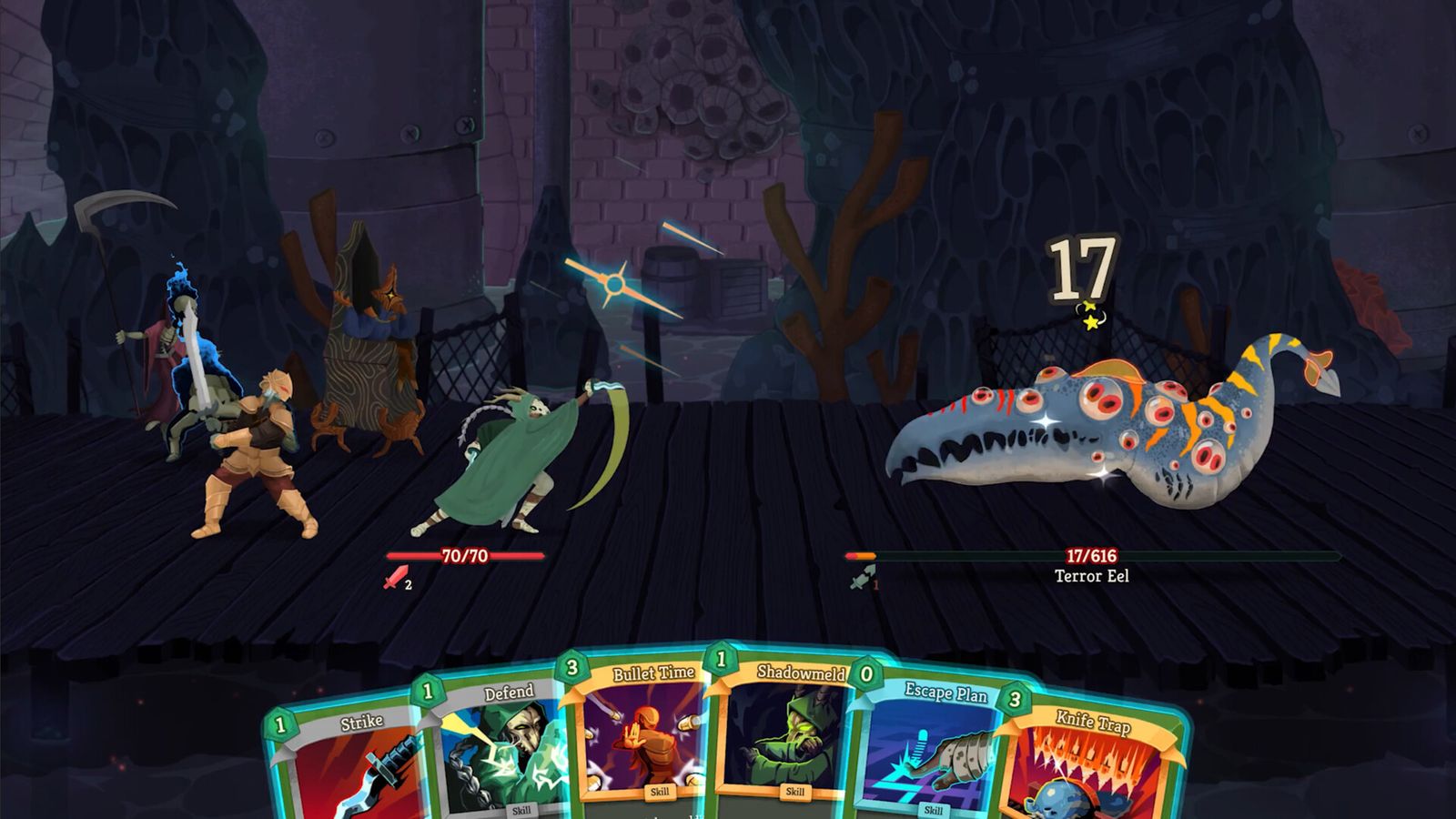
Deck building is one of the most important parts of the game. As you defeat enemies and explore the tower, you can obtain new cards that improve your starting deck.
However, collecting every card you encounter is not always a good idea. A large deck can make it harder to draw the cards you need at the right moment.
Here are some useful deck-building strategies:
Focus on a clear strategy. If you are building around poison, strength, or repeated attacks, choose cards that support that approach rather than collecting unrelated abilities.
Maintain a balance between offense and defense. You need enough damage to defeat enemies efficiently, but defensive cards help preserve your health for future encounters.
Pay attention to energy costs. Powerful cards can be useful, but a hand filled with expensive cards may leave you unable to take enough actions in one turn.
Choose cards that work together. A card that increases attack strength becomes more valuable when combined with cards that deal multiple hits. Similarly, cards that draw more cards can help you find important abilities faster.
The goal is not simply to create the strongest collection of cards. It is to create a deck that works consistently and can handle different types of enemies.
4. Plan Your Route Through the Tower
Slay the Spire 2 uses a branching map, allowing you to choose between different routes as you climb. Each path contains different challenges and opportunities, so planning ahead can make a major difference.
The main locations include:
- Monster encounters: Fight ordinary enemies to earn rewards and improve your deck.
- Elite encounters: Face stronger enemies for more valuable rewards, including relics.
- Campfires: Rest to recover health or upgrade a card.
- Shops: Spend gold on useful cards, relics, potions, or deck improvements.
- Events: Encounter unexpected situations that may offer rewards or risky choices.
- Treasure rooms: Find valuable relics without having to fight a normal enemy encounter.
When choosing a route, consider your current health, deck strength, and upcoming boss. If your character has low health, a route with a campfire may be safer than one containing several elite enemies. If your deck is strong and you can afford the risk, an elite encounter may provide a valuable relic that improves your chances later.
5. Use Relics and Potions Wisely
Cards are not the only tools that make your character stronger. Relics and potions can provide important advantages during your climb.
Relics generally offer passive effects that can influence your entire run. Some improve your combat performance, while others reward particular actions or support specific deck strategies.
Potions provide consumable effects that can help you deal extra damage, defend yourself, or overcome a difficult encounter.
One common beginner mistake is saving every potion for a future battle and never using it. If a potion can prevent significant health loss or help you defeat a dangerous enemy, using it now may be the better decision.
At the same time, consider upcoming challenges before spending valuable resources. A potion that seems unnecessary during an ordinary encounter could be much more useful against a boss.
6. Prepare for Boss Battles
Boss battles are major challenges that mark the end of each act. These enemies are more dangerous than ordinary monsters and may have special mechanics that require a different strategy.
To prepare for a boss, keep the following tips in mind:
- Study its attack patterns. Understanding when the boss attacks or uses special abilities helps you plan your turns.
- Upgrade important cards. Campfires allow you to strengthen a card, which can improve your deck's performance.
- Keep enough health. Avoid losing unnecessary health in earlier battles so that you enter the boss fight in better condition.
- Adapt your strategy. A deck that performs well against ordinary enemies may need more defense or stronger damage output against a boss.
- Use resources at the right time. Potions and powerful card combinations can help you survive difficult turns.
Do not focus entirely on dealing damage as quickly as possible. Sometimes defending for one turn and setting up a stronger combination is the safest way to win.
7. Learn from Every Failed Run
One of the defining features of Slay the Spire 2 is its roguelike structure. When a run ends, you begin another climb rather than continuing with the same deck and resources.
Losing can be frustrating, but each attempt gives you a chance to understand the game better. You may discover that a particular enemy counters your strategy, that your deck contains too many expensive cards, or that you took unnecessary risks on the map.
After each failed run, ask yourself three questions:
- Which battle caused me to lose the most health?
- Did my cards work together, or was my deck too unfocused?
- Could I have chosen a safer route or used my resources more effectively?
Small improvements can lead to much better results over time. Rather than relying on luck alone, try to identify which decisions helped or hurt your performance.
8. Try Cooperative Multiplayer
If you prefer playing with friends, Slay the Spire 2 also introduces cooperative multiplayer for up to four players. You can work together to face the tower's challenges, coordinate strategies, and explore combinations that are different from solo play.
Playing cooperatively can also be a useful way to learn. You can discuss card choices, compare strategies, and help one another understand difficult encounters. However, teamwork still requires planning because each player must make effective decisions and contribute to the group's survival.
Final Thoughts
Slay the Spire 2 is a rewarding game for players who enjoy strategy, tactical combat, and experimenting with different builds. Although the game may seem complicated at first, understanding energy management, deck building, map navigation, and enemy attack patterns will give you a strong foundation.
The best way to improve is to start with a character you understand, build a focused deck, and make decisions based on the situation rather than following the same strategy every time. As you gain experience, you will learn to recognize powerful card combinations, manage your resources more effectively, and handle increasingly difficult encounters.
Whether you climb alone or team up with friends, every run offers a new challenge and another opportunity to master the Spire.