


In the growing world of management and simulation games, Tavern Keeper stands out as a charming blend of strategy, creativity, and fantasy atmosphere. This hot game puts players in charge of running a medieval tavern, balancing resources, staff, customer satisfaction, and long-term growth. Instead of fast-paced combat, it focuses on thoughtful decisions, optimization, and storytelling through everyday life.
This in-depth guide explains exactly how to play Tavern Keeper, why it has become such a hot game, and how players can grow from struggling inn owners to legendary tavern masters. The article follows a natural progression, from your first day behind the bar to long-term success and mastery.
1. The Core Idea and Fantasy of Tavern Keeper
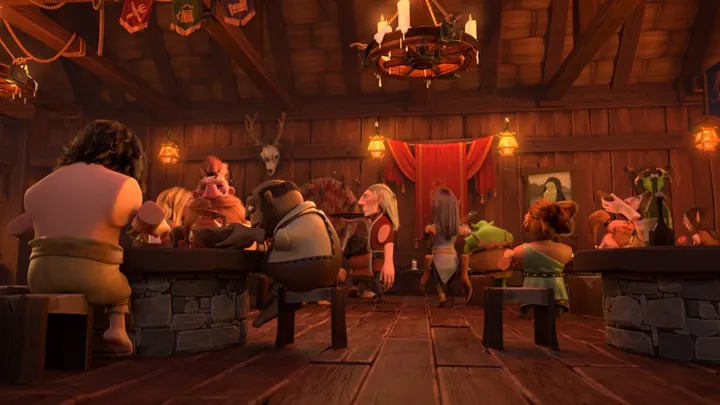
At its heart, Tavern Keeper is about managing a living business in a fantasy world. This hot game transforms simple actions—serving drinks, cooking meals, cleaning tables—into a layered strategy experience.
Understanding how to enjoy Tavern Keeper begins with embracing its fantasy. You are not just managing numbers; you are creating a welcoming space for adventurers, travelers, and mysterious characters with stories of their own.
A Cozy Management Experience
The game emphasizes atmosphere and routine.
Why the Concept Works
Players enjoy slow progress and visible results in this hot game.
2. Why Tavern Keeper Is a Hot Game Right Now
The rise of Tavern Keeper reflects a broader trend toward cozy and low-stress games. As a hot game, it appeals to players looking for relaxation without sacrificing depth.
Learning how to recognize this trend explains its growing popularity.
Cozy Gaming Movement
Players want calm, rewarding gameplay loops.
Fantasy Without Combat Pressure
The medieval setting adds charm without violence.
3. How to Start Your Tavern Journey
Starting Tavern Keeper can feel overwhelming, but the early game is designed to teach core systems gradually. This hot game rewards careful beginnings.
Knowing how to start correctly prevents early financial trouble.
First-Day Checklist
- Learn basic controls
- Serve simple food and drinks
- Watch customer behavior
Early Patience Matters
Do not expand too quickly at the start.
4. Core Gameplay Loop Explained
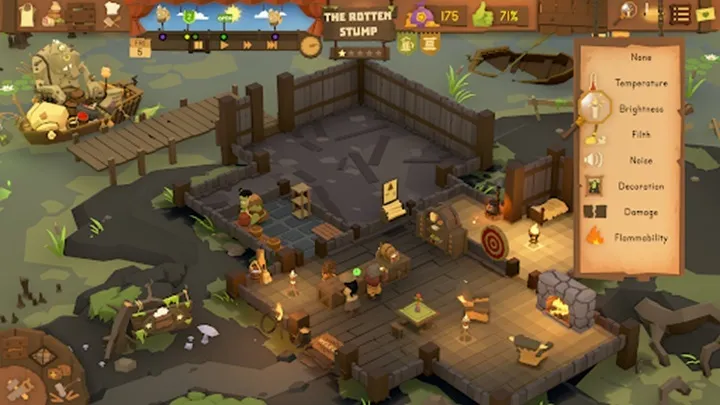
The gameplay loop of Tavern Keeper revolves around serving customers, earning gold, upgrading facilities, and repeating. This loop defines why the hot game feels satisfying.
Understanding how to optimize this loop is key to long-term success.
Daily Operations
Each day brings new customers and demands.
Gold and Reinvestment
Earnings should be reinvested wisely.
5. Staff Management and Roles
As your tavern grows, staff become essential in Tavern Keeper. This hot game introduces workers with different skills and personalities.
Learning how to manage staff efficiently saves time and resources.
Staff Roles
- Bartenders
- Cooks
- Cleaners
Training and Morale
Happy staff work faster and make fewer mistakes.
6. Recipes, Menu Design, and Customer Satisfaction
Food and drink define your reputation in Tavern Keeper. This hot game encourages experimentation with menus.
Understanding how to design a balanced menu boosts profits.
Recipe Variety
Different customers prefer different items.
Quality Over Quantity
Better recipes attract higher-paying guests.
7. Tavern Layout and Interior Design
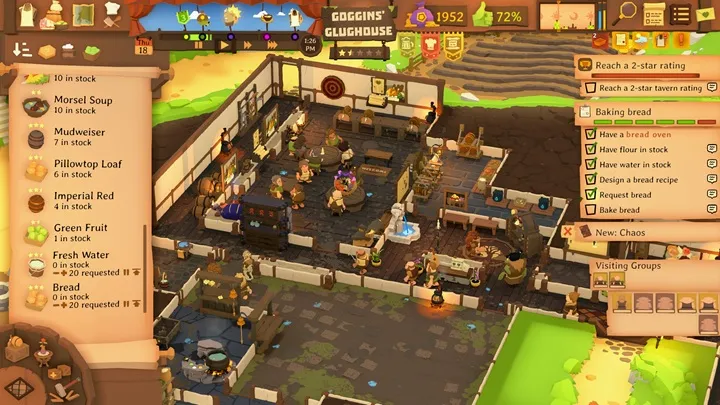
The physical layout of your tavern plays a major role in Tavern Keeper. This hot game rewards smart design choices.
Knowing how to organize space improves efficiency.
Key Layout Elements
- Table placement
- Kitchen proximity
- Decorative items
Flow and Accessibility
Shorter paths mean faster service.
8. Events, Special Guests, and Random Challenges
Unexpected events keep Tavern Keeper fresh. As a hot game, it introduces variety through challenges and opportunities.
Understanding how to prepare for events reduces risk.
Event Types
- Festivals
- VIP guests
- Supply shortages
Risk and Reward
Some events offer high profits with higher difficulty.
9. Common Mistakes and How to Avoid Them
Many new players struggle with Tavern Keeper by expanding too fast. Even a hot game requires discipline.
Knowing how to avoid common mistakes speeds up mastery.
Frequent Beginner Errors
- Hiring too many staff early
- Ignoring customer feedback
- Overcomplicating the menu
Learn From Patterns
Customer behavior teaches valuable lessons.
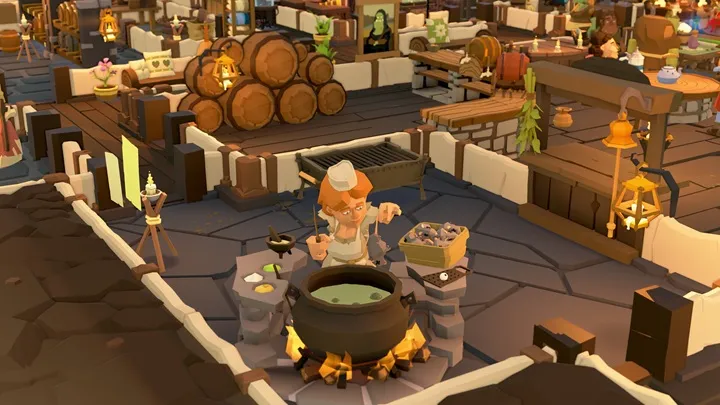
10. Long-Term Progression and Replay Value
The true strength of Tavern Keeper lies in its long-term design. As a hot game, it supports multiple playstyles and strategies.
Understanding how to approach each playthrough differently keeps the experience fresh.
Progression Systems
Unlocks and upgrades change how the tavern operates.
Endless Creativity
Different layouts and menus create new stories.
Conclusion
Tavern Keeper is a warm, thoughtful management game that rewards patience, creativity, and observation. By learning how to manage staff, design efficient layouts, and satisfy a wide range of customers, players quickly understand why it has become such a hot game. It is not about rushing toward success, but about building a tavern that feels alive, welcoming, and uniquely your own. For fans of cozy strategy and fantasy management, Tavern Keeper offers a deeply satisfying experience.